- +63 917 870 3486
- admin@pad1925.com
- Muntinlupa City, National Capital Region 1781, Philippines

Is Your Business Ready?
A Complete Guide to Disaster Preparedness and Emergency Response
Disclaimer: This blog post was created with the assistance of artificial intelligence. The content has been reviewed and edited by humans to ensure accuracy and readability.
The Unpredictable Nature of Business Disruptions
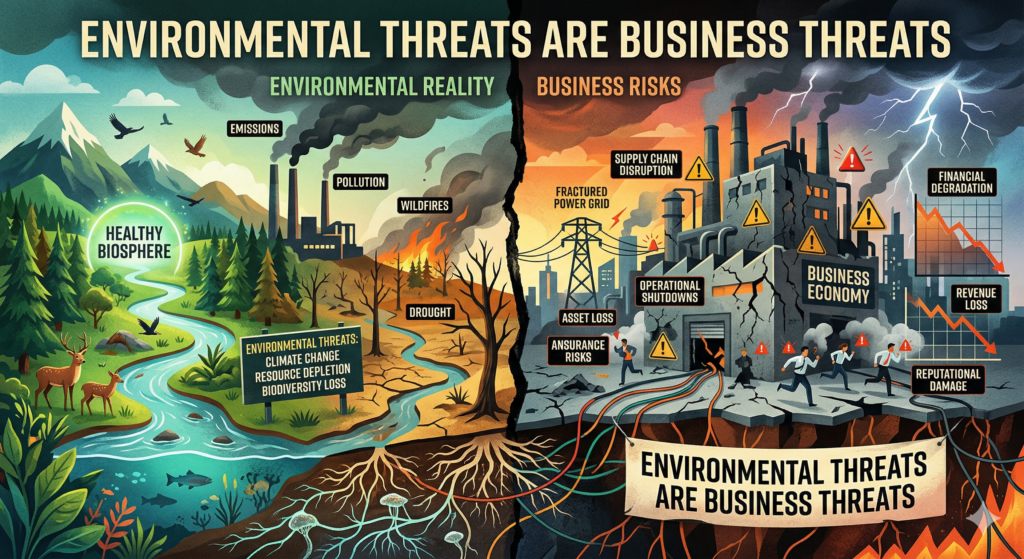
In today’s complex world, businesses face an ever-growing array of potential disruptions, from natural disasters and technological failures to cyberattacks and public health crises. The question is no longer if an emergency will strike, but when. For businesses, robust disaster preparedness and a clear emergency response plan are not merely regulatory checkboxes; they are critical investments in resilience, safeguarding your employees, assets, and future.
Many businesses underestimate the impact of a significant event. The Federal Emergency Management Agency (FEMA) estimates that a significant percentage of small businesses never reopen after a major disaster. At PAD1925, we believe that being prepared is not about predicting the unpredictable, but about building the capacity to adapt and recover.
This article will outline the essential components of a comprehensive disaster preparedness and emergency response strategy that every business needs to know.
Understanding the Landscape: Types of Business Disruptions
Before planning, it’s vital to identify the potential threats relevant to your business. Disasters can be categorized into several types:
- Natural Disasters: Earthquakes, floods, hurricanes, wildfires, severe storms, pandemics. These are location-dependent but can have far-reaching impacts on supply chains and remote workforces.
- Technological Failures: Power outages, hardware failures, software glitches, network disruptions, data center failures.
- Cybersecurity Incidents: Ransomware attacks, data breaches, denial-of-service (DoS) attacks, insider threats. (Link to previous blog post: “Beyond the Firewall: Navigating the New Frontier of Business Cybersecurity in 2025”)
- Human-Caused Incidents: Accidents, workplace violence, terrorism, civil unrest, infrastructure failures.
- Operational Disruptions: Supply chain interruptions, loss of key personnel, regulatory changes.
A thorough risk assessment is the first step in identifying which of these pose the greatest threat to your specific operations.
Key Components of a Robust Disaster Preparedness Plan

An effective business disaster preparedness plan is comprehensive, adaptable, and regularly reviewed. Here are its core elements:
- Risk Assessment and Business Impact Analysis (BIA):
- Identify Threats: What specific disasters are most likely to affect your business (e.g., floods if near a river, cyberattacks if heavily reliant on digital data)?
- Assess Vulnerabilities: What are your weaknesses? (e.g., single point of failure for IT, reliance on a single supplier).
- Analyze Impact: For each identified threat, quantify the potential impact on critical business functions, finances, reputation, and employee safety. Prioritize functions based on their criticality to your operations. This forms the backbone of your Operational Risk Management strategy.
- Emergency Response Team and Chain of Command:
- Designate a dedicated team with clear roles and responsibilities for managing different aspects of an emergency (e.g., communications, first aid, IT recovery, facilities).
- Establish a clear chain of command for decision-making during a crisis to ensure swift and coordinated actions.
- Communication Plan:
- Internal Communication: How will you notify employees during an emergency (e.g., mass notification systems, emergency hotlines, social media)? How will you account for everyone?
- External Communication: How will you communicate with customers, suppliers, stakeholders, media, and emergency services? Prepare pre-approved messages for various scenarios.
- Maintain up-to-date contact lists for all key personnel, emergency services, and relevant external parties, storing them both physically and digitally off-site.
- Evacuation and Shelter-in-Place Procedures:
- Develop clear, well-marked evacuation routes and designated assembly points outside the building.
- Define shelter-in-place procedures for incidents where evacuation is not safe (e.g., hazardous material spills, active threats).
- Consider the needs of employees with disabilities or specific medical requirements.
- Data Backup and Recovery:
- Regularly back up all critical data and systems to secure, offsite, or cloud-based locations.
- Implement robust data recovery procedures to ensure quick restoration of essential data and IT infrastructure. This is often the focus of a Disaster Recovery Plan (DRP) – a critical subset of overall business continuity.
- Supply Chain Resilience:
- Identify critical suppliers and develop alternative sourcing strategies.
- Understand your suppliers’ disaster preparedness plans to ensure their resilience aligns with yours.
- Resource Allocation and Emergency Supplies:
- Stock essential emergency supplies, including first aid kits, flashlights, non-perishable food, water, and communication devices.
- Ensure access to backup power (generators) if critical operations depend on continuous electricity.
- Training and Drills:
- A plan is only as good as its execution. Conduct regular training sessions for your emergency response team and all employees.
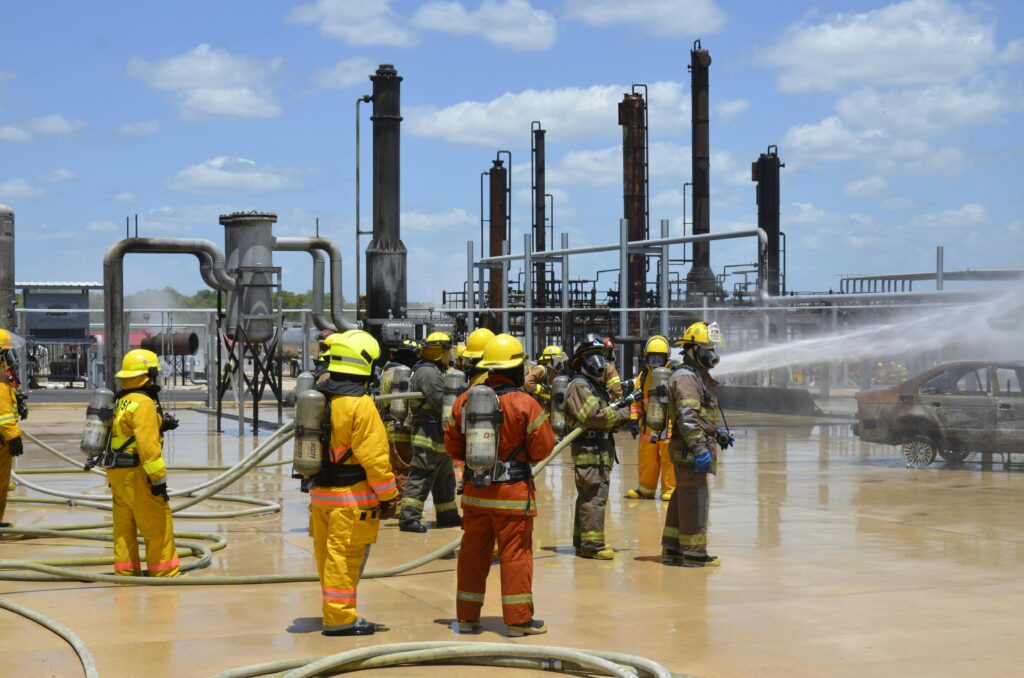
- Perform periodic drills (e.g., fire drills, simulated cyberattack responses, tabletop exercises) to test your plan’s effectiveness, identify gaps, and ensure everyone knows their role.

Beyond Recovery: The Importance of Business Continuity
While emergency response focuses on immediate actions during a disaster, business continuity is about maintaining essential operations and ensuring a swift return to normalcy after an event. This involves:
- Defining Critical Functions: What are the absolute minimum operations needed to keep your business running?
- Alternative Work Arrangements: Can employees work remotely? Do you have alternative physical locations?
- Continuity of Services: How will you continue to serve customers and manage supply chains even if your primary facility is inaccessible?
- Financial Preparedness: Adequate insurance coverage, emergency funds, and clear processes for financial recovery.
A well-integrated Business Continuity Management (BCM) system ensures that your organization can withstand significant disruptions with minimal impact. (Explore our Business Continuity Management services.)
Modern Trends in Disaster Preparedness and Response
Technology is playing an increasingly vital role in enhancing business disaster preparedness:
- AI and Predictive Analytics: Leveraging AI for early warning systems, disaster forecasting, and risk modeling.
- IoT Sensors: Real-time data collection from smart devices for environmental monitoring and facility security.
- Geospatial Intelligence: Using GIS data for mapping hazard zones, planning evacuation routes, and optimizing resource allocation.
- Advanced Communication Systems: Satellite phones, dedicated emergency communication apps, and strategic use of social media for rapid information dissemination.
- Digital Twins and Simulation: Creating virtual models to simulate disaster scenarios and test response plans without physical disruption.

Investing in Resilience and Peace of Mind
Disaster preparedness and emergency response are ongoing processes, not one-time tasks. They require continuous assessment, planning, training, and adaptation. By investing in a robust strategy, businesses not only protect themselves from potential financial ruin and reputational damage but also foster a culture of safety, confidence, and resilience among their employees and stakeholders.
At PAD1925, we specialize in comprehensive solutions that integrate disaster preparedness with broader risk management and business continuity strategies. Our expertise helps organizations like yours anticipate, respond to, and recover from any challenge, ensuring your long-term success and peace of mind.
Is your business truly ready for the unexpected? Let PAD1925 help you build a resilient future. Contact us today for a consultation on strengthening your disaster preparedness and emergency response capabilities.